

Egypt Opens Afghan Market for Lemon Exports Amid Agricultural Initiatives
The Ministry of Agriculture and Land Reclamation has intensified its activities in the second week of June as part of Egypt’s ongoing efforts to enhance food security and support sustainable agricultural development. This includes international collaborations, boosting local production, and increasing exports while maintaining direct communication with citizens.
In terms of international cooperation, Minister of Agriculture and Land Reclamation Alaa Farouk has ramped up meetings with development partners. He met with officials from the World Bank to discuss support for food security projects and water resource management. Additionally, there has been coordination between Egypt and Saudi Arabia to strengthen partnerships in agriculture and environmental fields. During this period, developmental agreements were signed with the Arab Center for Studies of Dry Areas and Arid Lands (ACSAD) to combat climate change and enhance Arab food security.
To bolster local industry, the minister held a meeting with egg producers to explore ways to enhance production and increase added value, aiming for a balanced local market.
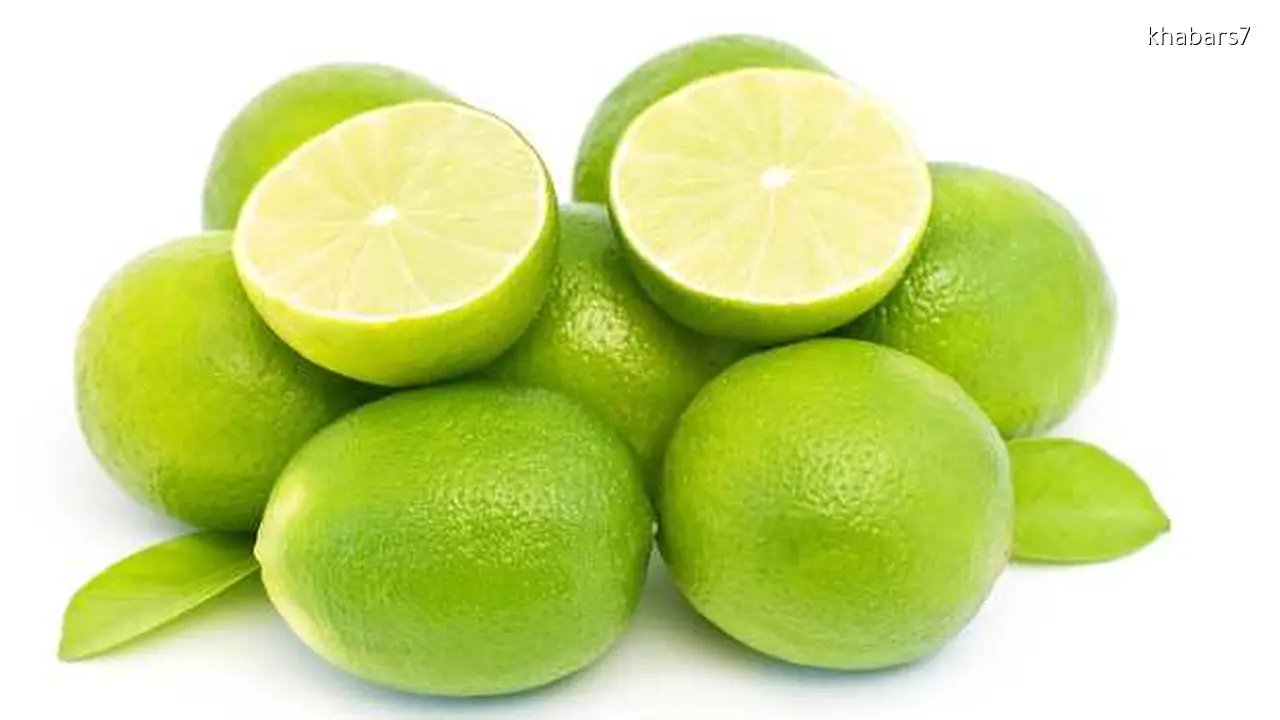
On the agricultural export front, the ministry successfully opened the Afghan market for Egyptian lemon exports. Furthermore, approximately 970,000 tons of potatoes designated for export were inspected, highlighting the quality of Egyptian agricultural products and their increased competitiveness globally.
In community engagement efforts, the ministry has worked to strengthen communication channels with citizens through meetings with members of parliament, addressing farmers’ issues across various governorates for swift responses to their needs.
The week also involved ongoing coordination with the Ministry of Supply and the Future Egypt initiative to boost production and ensure strategic commodity availability, thereby supporting the food security system.
In livestock and poultry production sectors, 812 new operating licenses were issued along with funding amounting to EGP 111 million under the Fatlo project, benefiting over 45,000 small breeders. Additionally, more than 6.8 million livestock were vaccinated as part of efforts to preserve animal wealth.
Regarding agricultural services, nearly one million bags of fertilizers were distributed to farmers while continuous monitoring of the summer agricultural season was undertaken to ensure maximum productivity.
In food safety measures, over 35,000 food samples were analyzed, along with testing 5,299 pesticide samples and inspecting 1,322 facilities to guarantee the quality and safety of food available in markets.
The ministry continued its pest control initiatives through intensive campaigns against fall armyworm infestations while conducting ongoing field monitoring across various governorates.
Field efforts included campaigns to remove encroachments on agricultural lands, cleansing irrigation canals and drains, distributing cotton seeds, alongside harvesting approximately 90% of the sugar beet crop.
In regulatory oversight efforts, more than 2,360 illegal pesticide containers were seized during inspections across 377 veterinary facilities which led to 101 violations being recorded as part of stringent market regulation initiatives.
The week also saw significant activity in scientific collaboration as the Animal Health Research Institute was accredited as an international center in Africa. Additionally, international delegations visited the Cotton Research Institute while training programs and scientific visits were executed to promote knowledge exchange.
Comments